China humanoid robot Tien Kung : The Humanoid Robot That Ran a Half‑Marathon and Works in Factories
Table of Contents
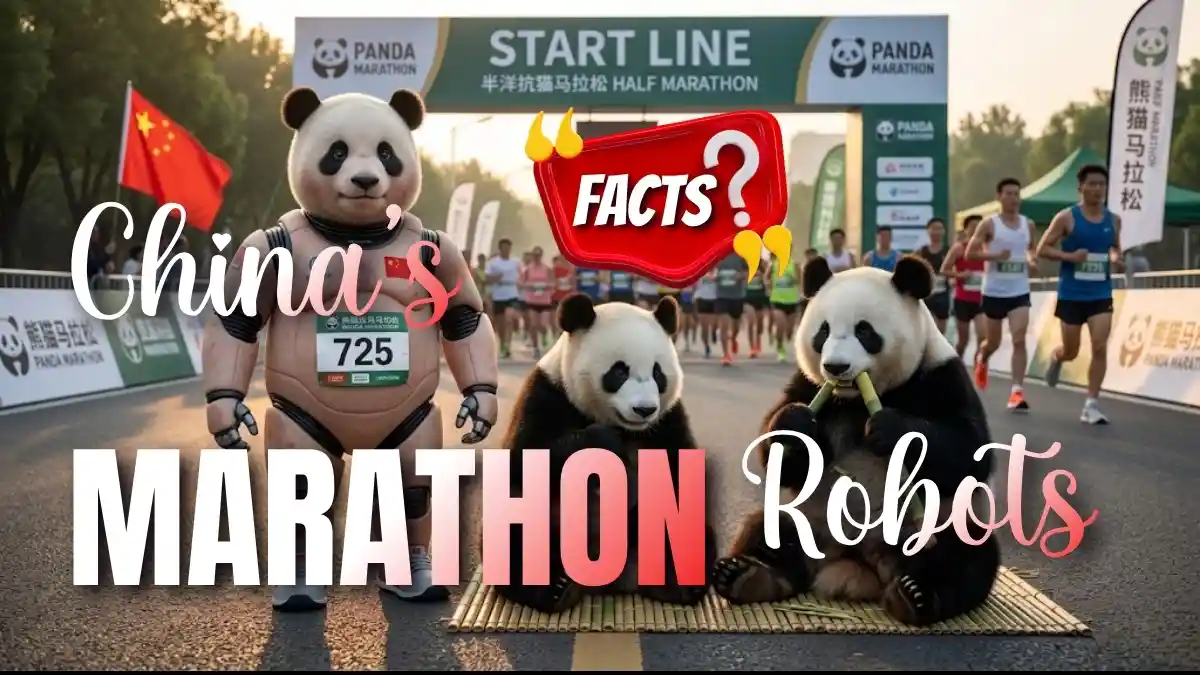
On April 13, 2025, a China humanoid robot named Tien Kung completed a 21‑kilometer half‑marathon in Beijing. It was the first time a bipedal robot finished a long‑distance race on a real‑world urban course—navigating curbs, turns, and live crowds without falling.
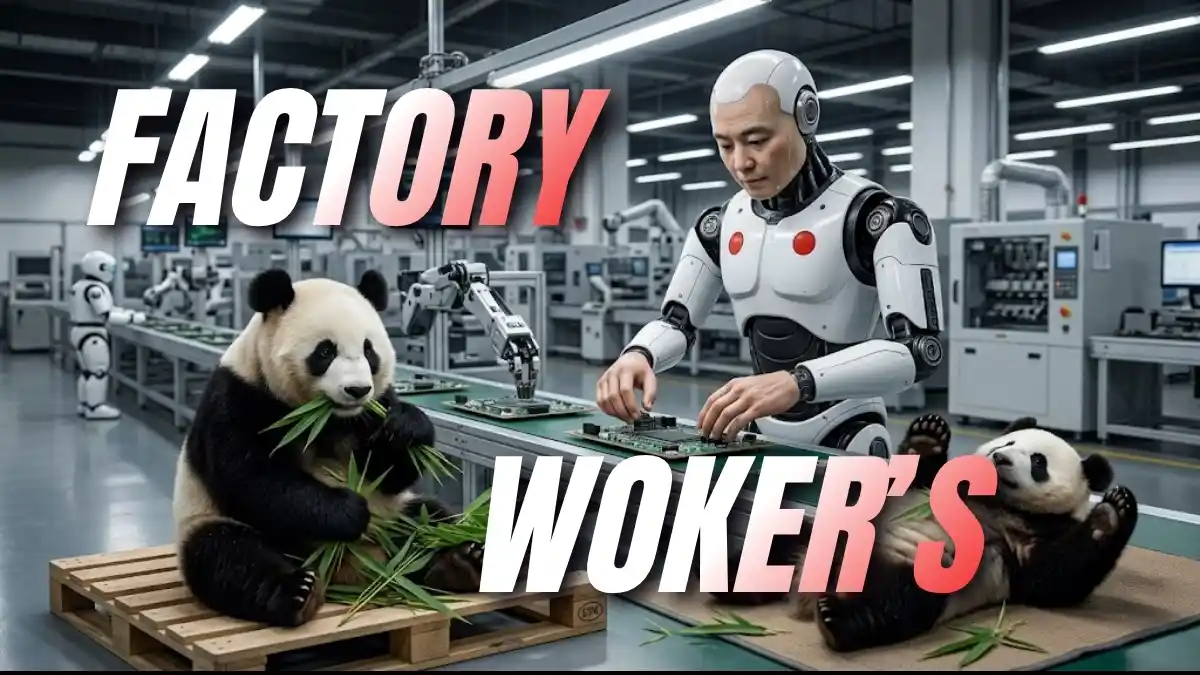
For skeptics, this might sound like a marketing stunt. But the same China humanoid robot Tien Kung is now working eight‑hour shifts on factory floors at Foton Cummins and Bayer. The technology that kept it running for three hours is the same X-Humanoid embodied AI platform that allows it to adapt to chaotic industrial environments.
This article explains how embodied intelligence China is moving humanoids from research labs to commercial deployment. We’ll examine real‑world case studies, compare X-Humanoid vs Tesla Optimus, and show why Chinese humanoid robots 2026 are already reshaping global manufacturing.
The Half‑Marathon That Shocked the Robotics World
The Beijing Economic‑Technological Development Area hosted the world’s first humanoid robot half‑marathon on April 13, 2025. Twenty robots started. Only one finished without a fall: Tien Kung Ultra, developed by X-Humanoid.
The course was not a controlled lab track. It included public roads, sharp turns, and a 1‑meter elevation change. The robot maintained balance for over three hours, adjusting its gait in real time. No human operator controlled its path remotely. Its Wise KaiWu robot brain handled everything.
This event wasn’t just a spectacle. It proved that the hardware and AI could endure real‑world conditions for extended periods. Running a half‑marathon requires continuous stability, energy management, and on‑the‑fly adaptation—exactly the skills needed for an eight‑hour factory shift.
What Is X-Humanoid and Wise KaiWu?
X-Humanoid is both a robot builder and an embodied AI platform China company. The company’s flagship product, the Tien Kung Ultra humanoid, is powered by an AI system called Wise KaiWu.
Wise KaiWu is a Vision‑Language‑Action (VLA) model. In simple terms:
- Vision – cameras and sensors let the robot see objects, people, and obstacles.
- Language – it understands natural language commands (spoken or typed).
- Action – it translates understanding into physical movement.
This combination is what researchers call embodied intelligence. The robot doesn’t just process data; it acts on it in the physical world. Traditional industrial robots follow fixed paths. If something changes, they stop. Wise KaiWu robots adapt because they understand context.
Cross‑Ontology Model Explained
The Wise KaiWu platform uses what X-Humanoid calls a “cross‑ontology” model. That means the AI learns from multiple types of data—images, text, and real‑world movement—and applies that learning across different robots. A skill learned by one robot can be transferred to another, speeding up training.
Tien Kung Ultra: Technical Specifications
Tien Kung Ultra is the first commercially deployed humanoid from X-Humanoid. Its specifications explain why it could run a half‑marathon and work in factories.
| Feature | Specification |
|---|---|
| Height | ~170 cm |
| Weight | ~50 kg |
| Degrees of freedom | 40+ joints |
| Battery life | 4–6 hours continuous operation |
| Sensors | Stereo cameras, LiDAR, IMU, tactile sensors in hands and feet |
During the half‑marathon, teams swapped batteries in under 30 seconds, demonstrating the robot’s modular design supports continuous operation.
Real‑World Deployments: Foton Cummins and Bayer
The strongest evidence of X-Humanoid’s maturity is its commercial deployment. These are not pilot projects; they are active installations in major industrial facilities.
Foton Cummins Humanoid Robots
Foton Cummins is a joint venture between Chinese automaker Foton and American engine manufacturer Cummins. The company manufactures heavy‑duty engines in Beijing.
Humanoid robots deployed at Foton Cummins handle tasks including:
- Moving engine components between assembly stations
- Quality inspection using onboard cameras
- Replenishing parts bins as they empty
The key advantage is adaptability. When the factory layout changes—a common occurrence in automotive manufacturing—the robots don’t need reprogramming. They see the new environment and adjust their paths.
Bayer Pharmaceutical Robots
Bayer’s pharmaceutical operations in China have deployed X-Humanoid robots for tasks that require precision and contamination control.
X-Humanoid factory automation case study applications include:
- Moving test samples between lab stations
- Inspecting pill bottles for correct labeling
- Transporting materials in cleanroom environments
In pharmaceutical settings, human workers must wear protective suits and follow strict protocols. Robots eliminate the need for protective gear in certain zones and reduce contamination risks.
How the VLA Model Works: Vision‑Language‑Action in Practice
The Wise KaiWu VLA model is trained on massive datasets that combine images, text, and physical actions. When the robot sees a new object, it can reason about what it is and how to interact with it based on similar objects it has seen before.
Here is a real example from the Foton Cummins deployment:
A worker says, “Bring me the red engine bracket from the third shelf.” The robot scans the shelf, identifies the red bracket, reaches around a protruding tool cart, grasps the bracket, and delivers it. The path is not pre‑programmed. The robot calculates it in real time.
This capability is what separates China robotics AI platforms like X-Humanoid from traditional industrial robots.
X-Humanoid vs Tesla Optimus: Head‑to‑Head Comparison
Tesla’s Optimus humanoid has received extensive media coverage in the West. A side‑by‑side comparison shows where X-Humanoid stands today.
| Feature | X-Humanoid Tien Kung Ultra | Tesla Optimus |
|---|---|---|
| AI model | Wise KaiWu VLA | Tesla FSD‑based |
| Language understanding | Full natural language | Limited |
| Commercial deployments | Multiple factory sites (Foton Cummins, Bayer) | Prototype stage |
| Price (estimated) | $30,000–$50,000 | $20,000 (target, not yet available) |
| Running capability | Completed half‑marathon (21km) | Not demonstrated |
Price Point Comparison
X-Humanoid has not published exact pricing, but industry reports indicate commercial units are available in the $30,000–$50,000 range. Tesla has stated a target price of $20,000 for Optimus, but the robot is not yet commercially available.
Deployment Scale Comparison
X-Humanoid robots are actively working at Foton Cummins, Bayer, and other industrial sites. Tesla Optimus remains in prototype and testing phases.
Technical Capabilities Comparison
The Wise KaiWu VLA model gives X-Humanoid an edge in language understanding and real‑time adaptation. Tesla’s approach leverages its expertise in autonomous driving, which focuses on visual navigation but lacks the same level of object manipulation and natural language integration.
Why This Platform Isn’t Available in the US
X-Humanoid robots are not sold in the United States. Two main reasons explain this.
Export Controls and Restrictions
US export controls restrict the sale of advanced AI and robotics technologies to China. These same restrictions work in reverse. Advanced Chinese robotics platforms are not exported to the US market due to regulatory barriers and national security considerations.
Domestic Supply Chain Advantage
X-Humanoid’s supply chain is based entirely in China. Components, manufacturing, and assembly happen domestically. This allows the company to scale production and control costs without relying on international suppliers that might be subject to export restrictions.
For US companies, this means X-Humanoid robots are not an option. The technology gap in embodied AI is not just about who builds better robots. It is also about who can deploy them at scale.
Future Roadmap: What’s Next for X-Humanoid
X-Humanoid has outlined aggressive plans for the coming years.
2026–2027 Product Roadmap
- Enhanced VLA model with larger training datasets for more complex tasks
- Tien Kung Ultra v2 with improved battery life and faster inference
- Expanded factory deployments targeting automotive, electronics, and logistics sectors
- Multi‑robot coordination systems that manage fleets of robots working together
Global Expansion Plans
While the US market is restricted, X-Humanoid is pursuing opportunities in:
- Southeast Asia (Vietnam, Thailand, Malaysia)
- Middle East (UAE, Saudi Arabia)
- Europe (select countries with favorable trade relations)
Conclusion: Why Global Entrepreneurs Should Watch China’s Humanoids
The X-Humanoid platform represents a convergence of technologies that did not exist five years ago. Vision‑language‑action models, durable bipedal hardware, and real‑world deployment data are combining to create robots that can work in human environments without extensive reprogramming.
For international entrepreneurs, the implications are significant:
- Manufacturing competitors using these robots will achieve labor cost advantages and quality consistency that traditional automation cannot match.
- Supply chain strategists need to understand that China is deploying these robots now, not in five years.
- Robotics founders outside China face a widening gap in deployment data and real‑world training that comes from operating thousands of robots in commercial settings.
The half‑marathon was a symbol. A robot that can run 21 kilometers is a robot that can work a full shift. A robot that can adapt to a marathon course is a robot that can adapt to a factory. China’s X-Humanoid platform has crossed the line from research project to commercial reality. The race is no longer about building the first humanoid robot. It is about scaling the ones that already exist.
Sources
- X-Humanoid half‑marathon completion: Official announcement, Beijing Robotics Conference, April 2025.
- Foton Cummins deployment: X-Humanoid industrial partnership announcement, March 2025.
- Bayer pharmaceutical robotics deployment: China Pharmaceutical Automation Forum industry report, February 2025.
- Wise KaiWu VLA model: X-Humanoid technical documentation, 2025.
- Tesla Optimus specifications: Tesla AI Day presentations (2023–2024).
- Export control analysis: US Department of Commerce, Bureau of Industry and Security (BIS) regulations.